

Plantar Fasciitis Treatment in Overland Park, KS
Everwell helps patients across Overland Park and Johnson County understand what is loading the foot and choose a clear, non-surgical next step.
Morning Heel Pain + Arch Pain
Why does your heel hurt when you first stand up?
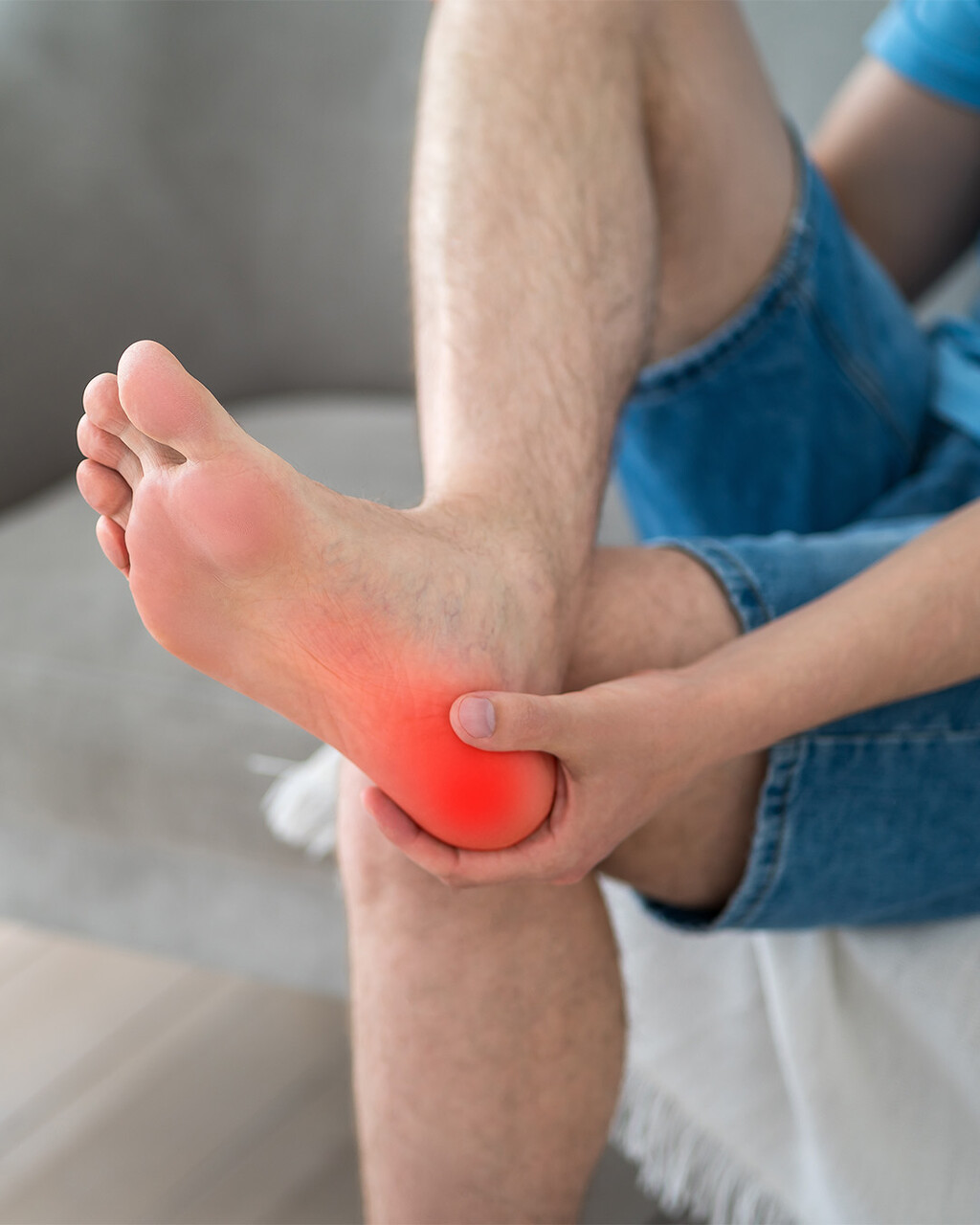
Plantar fasciitis commonly causes pain near the bottom of the heel. It is often sharp during the first steps after waking or sitting, then may ease as you move and return after prolonged standing, walking, or exercise.
The painful area matters, but so does the load placed on it. We look at your foot and ankle movement, calf mobility, strength, footwear, activity, and the way you walk before recommending care.
Why heel pain can ease with movement and return later.
First-Step Pain
Sharp heel pain when you get out of bed or stand after sitting.
Long-Day Pain
Pain that builds after standing, walking, working, or running.
Heel + Arch Tenderness
Sensitivity along the bottom of the heel or into the arch of the foot.
Recurring Flare-Ups
Symptoms that settle temporarily but return when activity increases.
Not Every Heel Pain Is the Same
The location is only part of the story.
These are some of the patterns we may consider during your evaluation. They are not diagnoses, and more than one may be contributing.
Plantar Fascia Irritation
Pain near the bottom of the heel that is often strongest during the first few steps.
Calf + Ankle Stiffness
Limited ankle motion or calf tension may change how your foot handles each step.
Foot Strength + Control
The muscles supporting the foot and arch may need more capacity for daily or athletic demands.
Training or Workload Changes
More running, walking, standing, or a sudden activity change can overload sensitive tissue.
Footwear + Surface
Shoes, support, and time spent on hard surfaces can affect how the heel is loaded.
Other Sources of Heel Pain
The Achilles tendon, nerves, heel pad, bone, or another structure may create similar symptoms.
Persistent Heel Pain
When pain lingers, activity changes and guarding can make returning to normal movement harder.
Reduce the irritation. Rebuild what the foot needs.
Non-Surgical Plantar Fasciitis Care
Your plan may combine physical rehabilitation, guided mobility and strength work, hands-on care, shockwave therapy, or dry needling when appropriate. We may also discuss activity and footwear changes that give the area a better chance to settle.
Care begins with understanding the full picture.
Assessment
Start with the right source of heel pain.
Before treating plantar fasciitis, we make sure your symptoms and examination actually fit that pattern.
A conversation about when the pain started and what brings it onA focused foot, ankle, calf, and walking assessmentA review of activity, training demands, work, and footwearImaging or referral only when the findings call for it
- Clear recommendations you can understand and use
Services at Everwell
Care options that work better together.
Your recommendations may include one service or a thoughtful combination. Everything begins with understanding what your body needs.
Chiropractic Care
Restore movement and reduce joint strain.
Explore →Physical Rehabilitation
Rebuild strength, stability, and confidence.
Explore →Spinal Decompression
Reduce pressure on discs and irritated nerves.
Explore →Shockwave Therapy
Support healing in stubborn soft tissue.
Explore →Dry Needling
Release muscle tension and trigger points.
Explore →Acupuncture
Support pain, stress, and whole-body balance.
Explore →Functional Medicine
Use testing to understand internal patterns.
Explore →Not sure what fits?
Explore every service at Everwell.
View All Services →
Care that meets kids where they are.
Pediatric Chiropractic Care
Kids deserve care that feels calm, clear, and made for them.
Children are not simply smaller adults. They move, grow, play, and communicate differently—and their care should reflect that.
Some kids need a minute before they are ready. That is okay. We take time to listen to the parent, help the child feel at ease, and explain what we are doing before we do it.
- A visit that moves at their pace
- Clear answers for parents
- Gentle, age-appropriate care when appropriate
Answers Before You Book
Questions about Plantar Fasciitis care.
These are common starting questions. Your recommendations will still depend on your evaluation, history, and goals.
It often feels like sharp or tender pain near the bottom of the heel. Symptoms are commonly strongest with the first steps in the morning, after sitting, or following a long period of standing or activity.
Conservative care may include activity changes, calf and plantar fascia mobility, progressive foot and lower-leg strengthening, supportive footwear, hands-on treatment, or other therapies. At Everwell, recommendations are based on your evaluation rather than a preset package.
Shockwave therapy may be considered for persistent plantar heel pain that has not responded to simpler measures. It is not right for everyone, so we first review your symptoms, health history, and examination.
Plantar fasciitis can often be evaluated without imaging. We may recommend imaging or a medical referral when your history or examination suggests another cause of heel pain, an injury, or symptoms that need further evaluation.
Seek prompt medical care after a significant injury, if you cannot bear weight, or if the foot is markedly swollen, red, hot, numb, or weak. Heel pain with fever, an open wound, or symptoms that are rapidly worsening also needs medical evaluation.
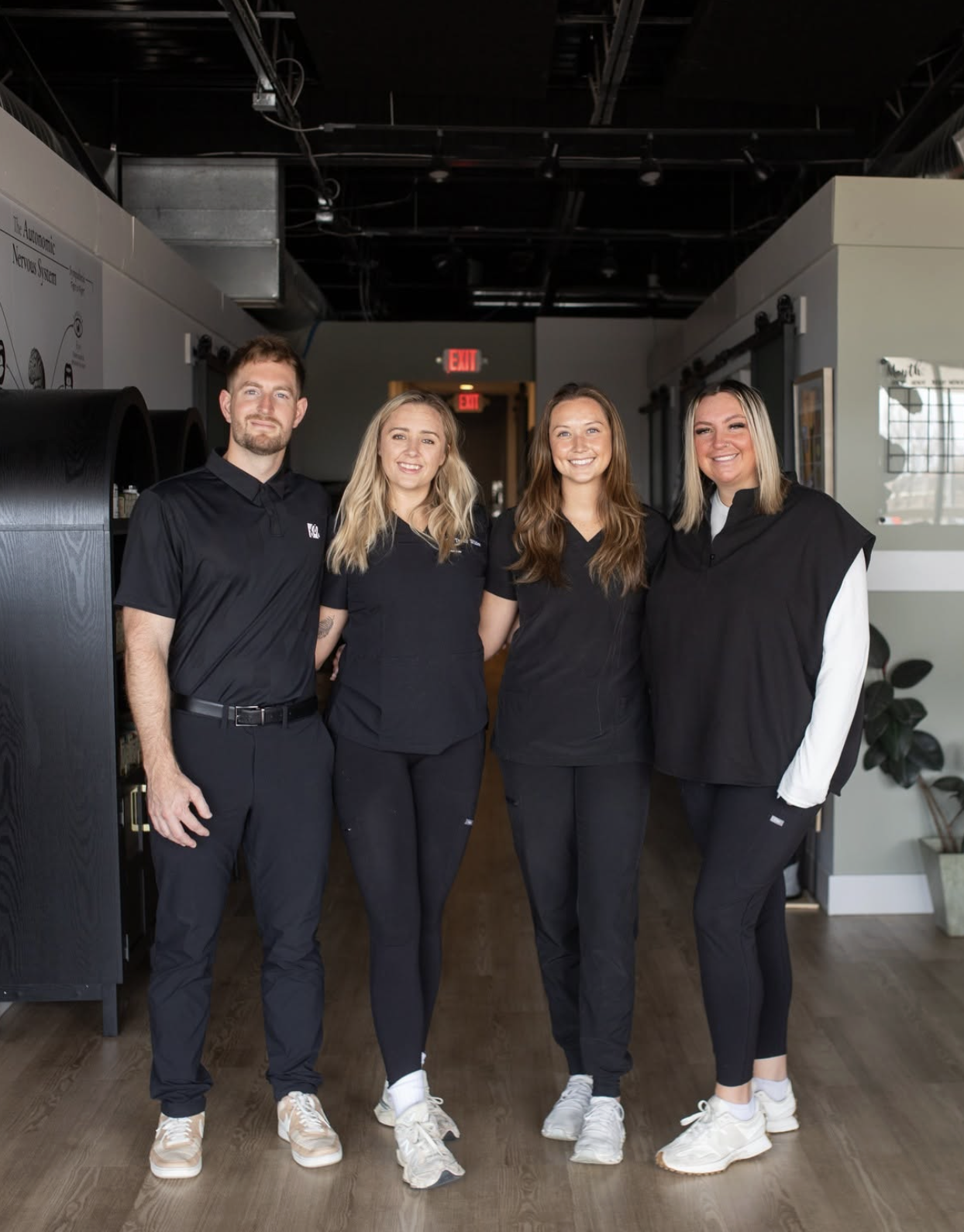
Your care team at Everwell
Your Care Team
Care should feel clear, personal, and honest.
“Before we recommend anything, we want to understand what you’re dealing with, what you’ve tried, and what getting better would change for you. Then we build the plan together.”
Dr. Garrett Wilder + the Everwell team
Everwell brings chiropractic, rehabilitation, recovery technology, acupuncture, and functional medicine together in one Overland Park practice—with a team that takes time to listen first.
Meet Your Care Team$47 Discovery + Relief Visit
You don’t have to keep guessing.
If Plantar Fasciitis keeps getting in the way, start with a conversation, a focused evaluation, and a clearer understanding of what comes next.
Schedule Your Discovery VisitInsurance accepted · 310+ patient reviews · Overland Park, KS